

Kids Fluoride Treatment in Las Vegas, NV
Every parent hopes to hear that the checkup went well and there are no cavities. Fluoride is one of the simplest tools we have for making that the usual outcome instead of the lucky one. Smile Sprouts Kids Dental is a pediatric dental practice in Las Vegas, NV, and fluoride is part of nearly every cleaning we do here. It takes about a minute, most kids barely register it, and the protection sticks around for months.
If you want your child growing up with strong teeth and no fear of the dental chair, this is a good place to start.
What Is Fluoride Treatment for Kids?
Fluoride treatment for children is a quick preventive step in which we apply a concentrated fluoride coating directly to the teeth to harden the enamel and help it resist decay. Most of the time we use a fluoride varnish for kids, a sticky gel painted on with a small brush in whichever flavor your child picks. There are no needles, no drill, and no numbing involved. Think of it as a topical fluoride treatment that settles into the outer surface of every tooth and keeps working long after you have left the office.
How Does Fluoride Protect Children's Teeth?
Fluoride rebuilds weak spots in enamel before they ever turn into cavities. Every time your child eats, bacteria produce acid that pulls calcium and phosphate out of the tooth surface. Fluoride reverses that through remineralization, drawing those minerals back in and leaving a surface that resists acid better than the original enamel did.
That is how topical fluoride strengthens young enamel, and it is why professional fluoride application matters most while teeth are new. Baby enamel is thinner and more porous than adult enamel, so it needs the extra help, and our dry desert air raises the stakes further because less saliva means less natural rinsing.
Is Fluoride Treatment Safe for Children?
Yes. Professionally applied fluoride is safe for children of every age, including babies with only a few teeth showing. The amount used in one application is very small, it stays on the tooth surfaces rather than being swallowed, and it has been studied for decades. Dr. Justin Vo and Dr. Charlene Mo both completed pediatric dentistry residencies, so what your child receives and how often comes from dentists trained in growing mouths.
If you have read something that worried you, bring it up at the visit. We would rather talk it through than have you sit on the question.
At What Age Should Kids Start Fluoride Treatments?
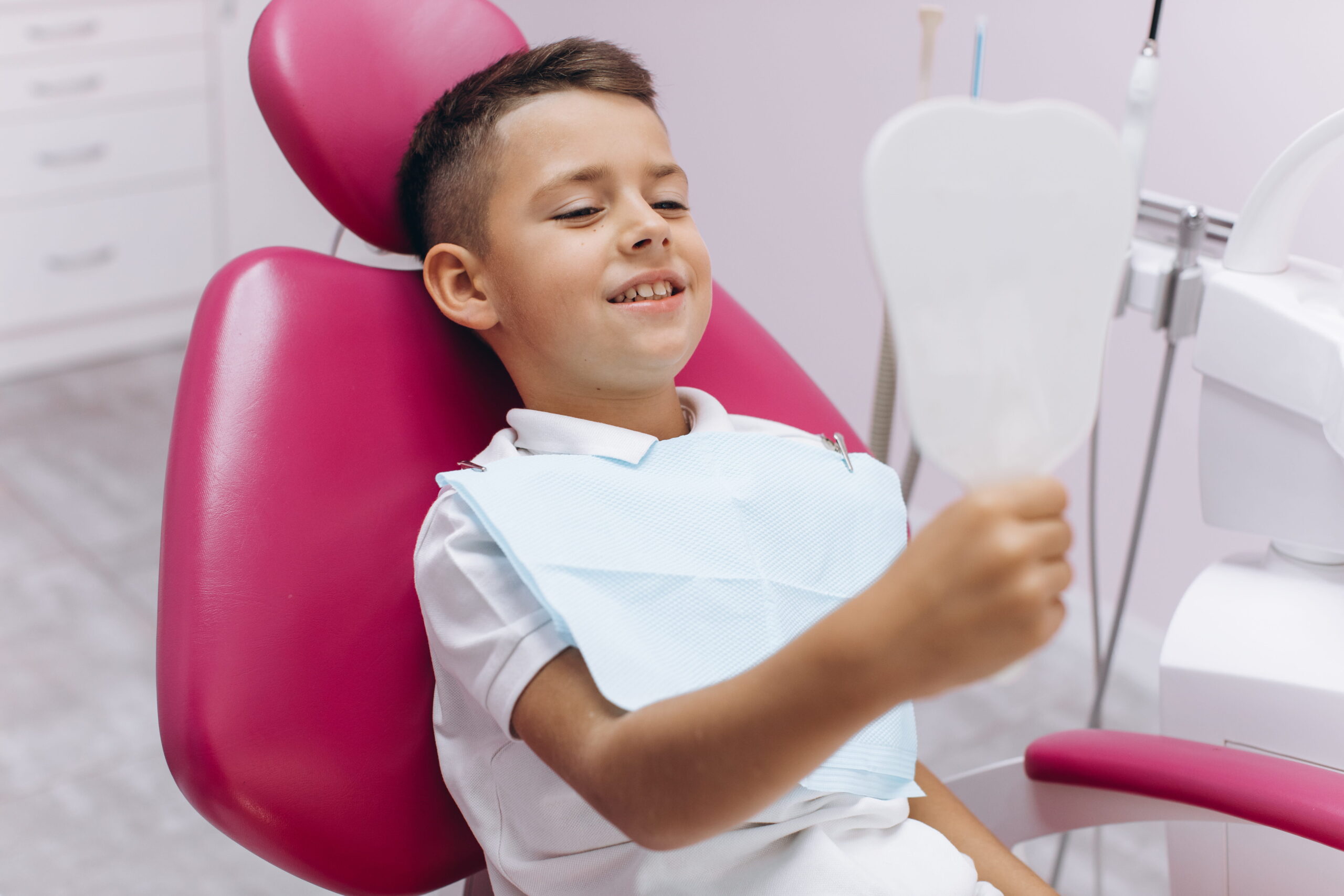
Fluoride can begin as soon as the first tooth comes in, usually between six and twelve months of age, and pediatric guidelines support varnish at every checkup from that point on. Starting early does two things at once. It protects the teeth most vulnerable in the earliest years, and it gets your child used to someone gently working in their mouth long before anything more involved is needed. That first easy visit is what we call the seed, and the rest of your child's care grows out of it.
How Often Do Children Need Fluoride Treatments?
Twice a year at regular cleanings works well for most children, and kids at higher risk for cavities often do better every three or four months. We set the interval on what we see in the mouth, not a default schedule. What moves that decision:
- A history of cavities or early soft spots in the enamel
- Diet, especially sports drinks, juice, and frequent snacking
- How brushing and flossing are really going at home
- Braces, deep grooves, or crowding that trap food
Because pediatric fluoride treatment counts as preventive care, most dental plans cover it in full for children, which makes a tighter schedule easy to say yes to.
What Happens During Your Child's Fluoride Appointment?
It happens at the end of the cleaning and takes roughly a minute from start to finish. Here is the whole thing:
- We finish the cleaning and polish so the tooth surfaces are ready to absorb fluoride
- Your child chooses a flavor, which turns the last step into a decision they own
- We dry the teeth and brush on a thin layer of varnish, top and bottom
- Your child watches something on the ceiling TV while we work
- We go over aftercare with you before you head out
No shots, no loud instruments, no long wait. Most kids look surprised when we tell them it is already done.
What Are the Benefits of Professional Fluoride for Kids?
The headline benefit is fewer cavities, which means fewer fillings and less chair time for a child who would rather be anywhere else. Beyond that:
- Early decay can reverse: soft spots caught in time often harden back up instead of becoming a cavity
- New teeth come in stronger: permanent teeth take fluoride in as they erupt, so the benefit carries forward
- Less sensitivity: a stronger enamel surface reacts less to cold drinks and sweets
- Very low cost: fluoride treatment for cavity prevention costs a small fraction of what a filling or a crown does
- Almost no added time: it adds about a minute to a visit your child is already at
Can a Child Get Too Much Fluoride?
It is possible, though not from what we apply in the office. Too much fluoride during the years teeth are forming can cause dental fluorosis, which usually appears as faint white flecks on the enamel and is cosmetic rather than harmful. It comes from swallowing fluoride steadily over a long stretch of time, most often from toothpaste. That is why we recommend a rice-sized smear for children under three and a pea-sized amount after that, and why we teach even our smallest patients to spit instead of swallow.
How Is In-Office Fluoride Different from Toothpaste and Tap Water?
Concentration and contact time. Toothpaste and fluoridated tap water deliver small, steady amounts that help a little every day. An in-office varnish delivers a much higher concentration and stays against the enamel for hours instead of seconds. The two are partners, not substitutes. That gap matters more than parents expect if your family drinks bottled or filtered water, since much of it contains little to no fluoride.
Children's fluoride treatment here helps make up the difference, and we can tell you whether a prescribed supplement makes sense.
How Do You Care for Little Teeth After a Fluoride Visit?
Aftercare is short and simple, and it only runs until the next morning:
- Wait at least 30 minutes before eating or drinking anything
- Skip hot foods and hot drinks for the rest of the day
- Stick with soft foods for the first few hours
- Hold off on brushing and flossing until the next morning so the varnish stays put
A slightly filmy feeling on the teeth is normal and brushes right off the next day. Nothing else in the routine has to change.
Why Choose Smile Sprouts Kids Dental for Fluoride Treatment
Choosing where your child receives care comes down to trust, and we built this practice around earning it. Families stay with us for:
- Pediatric-trained dentists: both of our doctors completed pediatric dentistry residencies, so children are not a side interest here
- A space made for kids: aromatherapy, ceiling TVs, and short wait times take the edge off before we pick up an instrument
- Care that grows with your child: our seed, root, sprout, and bloom approach means we do not treat a toddler the way we treat a twelve-year-old
- Straight answers: we show your child what we are doing and tell you plainly why we recommend it
- Prevention first: fluoride is one piece of our pediatric preventive dental care, which sits alongside exams, cleanings, and the rest of our pediatric dental services
Help Your Child's Smile Grow at Smile Sprouts Kids Dental
Strong teeth are built out of small, repeated steps, and this is one of the easiest ones you can take for your child. Whether you are booking a first checkup or looking for a new pediatric dentist in Las Vegas, NV, our team would be glad to meet your family. Call our office or request your child's appointment online, and we will find a time that fits around school and work. From there, we will take care of the rest, one healthy smile at a time.